Sub Title

Showing posts with label Medical. Show all posts
Showing posts with label Medical. Show all posts
Thursday, November 20, 2014

Friday, April 25, 2014
Medication
I wanted to talk about the use of medications in the healing process again. About 15 years ago in the earlier years of my counseling profession I was asked to do a presentation for a large group of women on depression. I talked about a variety of things including the use of medication. I had a lady come up to me afterwards who seemed angry with my presentation. She stated that I had made it sound all too simple. Her daughter had suffered from depression and they had tried counseling and many different medications -without any reprieve. Around the same time I was giving another presentation on depression to some church members. The conversation became heated as some of the participants started voicing misinformation about medication. I will always remember those two presentations, because it helped me understand better how sensitive the topic can be, how not simple the topic is, and how much misinformation is out there.
Previous to this-the topic seemed more simple to me. It just made sense-why would you not try something if you were sick and you knew it could help? I had seen first hand how much medicine had helped so many of those I counseled. Over time and more professional experience-I am more sensitive to the fact that the decision to turn to medication is not always so simple.
That said, I do feel that there continues to be misinformation out there. Just in the last few months I have had friends post various things on Facebook, that got my "knickers in a bunch." For example here are some titles of a few of the articles written, "ADHD Does Not Exist.", "Antidepressants Don't Work" and then a meme that said "Take a Walk Not a Pill." All of them made me grumble, but I was the most frustrated with the last one. It frustrated me because on the surface it doesn't seem like a hurtful message. How could encouraging someone to take a walk be a bad thing. Exercise is a vital and scientifically proven method for improving mood and lowering depression and anxiety. I am not arguing the validity of that. In fact exercise is one of the first things I encourage all those I counsel to do. But,come on! If it was really that simple --don't you think people would have tried it already. The, fact is that those I have counselled sometimes can not get themselves to do these healthy behaviors, because of their mental illness.
My own experience. as I have counselled people, is not that people are too quick to medicate away their problems, My experience has been the opposite, that by far there are too many that don't consider the option that medication may help. By discussing the benefits of medication, I do not want you to think that I am advocating that medication is the only route to healing, or that it should always be used. I am not saying that. Each person has to prayerfully consider their own situation and feelings as they make decisions for their own lives. But I do want to make sure that you have correct information as you make those decisions.
We definitely have a very long way to go in understanding the human brain, but I believe that the Lord continues to provide knowledge and technologies to help us. I love Elder Morrison's writings on the topic. He says .
“Among the most painful trials an individual or family can face is that of mental illness... We still do not know exactly how the brain works nor exactly how and why parts of it may malfunction. One thing is certain, however: no individual, family, or group is immune from the effects of mental illness. Furthermore, we are learning that many mental illnesses result from chemical disorders in the brain, just as diabetes results from a chemical disorder in the pancreas…
Remember that God has given us wondrous knowledge and technologies that can help us overcome grievous problems such as mental illness. Just as we would not hesitate to consult a physician about medical problems such as cancer, heart disease, or diabetes, so too we should not hesitate to obtain medical and other appropriate professional assistance in dealing with mental illness.“-Elder Morrison
Elder Holland also gave a wonderful talk on mental health. I have posted it in my recommended speeches. He says,
"If you had appendicitis, God would expect you to seek a priesthood blessing and get the best medical care available. So too with emotional disorders. Our Father in Heaven expects us to use all of the marvelous gifts He has provided in this glorious dispensation."- Elder Holland, Like A Broken Vessel.
Like I already said-we have a long way to go. But we are slowly learning more about the brain. More recently there have been studies on the effectiveness of medication on PTSD. The FDA has approved sertraline (Zoloft), a drug commonly used to manage depression, as the first medication specifically for the treatment of post-traumatic stress disorder.
"New research has revealed how severe trauma can produce long-term changes in the nerves in the brain. In particular, it is now believed that the problem is caused by alterations in the chemical substances that nerves in the brain use to communicate with each other, substances referred to as neurotransmitters. These alterations in neurotransmitters may be responsible for the symptoms and behaviors.Treatment of post-traumatic stress disorder has therefore shifted to drugs that target these chemical substances. For example, antidepressants including imipramine and phenelzine (Nardil) that alter neurotransmitters such as serotonin, norepinephrine, dopamine, and acetylcholine have been found do more to reduce flashbacks and the feelings of helplessness more than placebo (a dummy pill).A trend that emerged from these studies was that greater improvement was seen with drugs that altered serotonin more than other neurotransmitters."
http://www.medicinenet.com/script/main/art.asp?articlekey=12516&page=2
There are a number of biological changes that have been associated with PTSD and medication is being used to help some with these symptoms.
"Some of the main biological disturbances in PTSD can be conceptualized as dysregulation of the naturally occurring stress hormones in the body and increased sensitivity of the stress and anxiety circuits in the brain. There is dysregulation of adrenergic mechanisms that mediate the classical fight-flight or freeze response. Yehuda and others have found that patients with PTSD have hypersensitivity of the hypothalamic-pituitary-adrenal axis (HPA) as compared to patients without PTSD (4). Patients have a much greater variation in their levels of adrenocorticoids than patients without PTSD. Other researchers have found differences in both brain structures and brain circuits that process threatening input between patients with PTSD and those without.
The medications prescribed for treating PTSD symptoms act upon neurotransmitters related to the fear and anxiety circuitry of the brain including serotonin, norepinephrine, GABA, and dopamine among many others. Studies show that a number of medications are helpful in minimizing the three symptom clusters of PTSD. Most of the time, medications do not entirely eliminate symptoms but provide a symptom reduction and are best used in conjunction with an ongoing program of trauma specific psychotherapy for patients."
http://www.healthquality.va.gov/guidelines/MH/ptsd/
So, my advice when you are considering medication.
- Remember that it is not simple.
- It takes a willingness to work closely with your psychiatrist and may require that you patiently try different medications.
- Don't just read things you find on the internet.
- Keep an open mind.
- Talk with some reputable professionals and research reputable sources.
- Don't feel that you have to rush into any decision.
- There is no such things as a happy pill. Getting better requires change and work-along with medication.
- Studies continue to show that the combination of medicine and therapy bring the best results.
- There is no "one size fits all" when it comes to deciding whether to take medication or not.
- And as always-pray about it.
Wednesday, April 23, 2014
Trauma and Health Implications
We have talked about the ways sexual abuse effects its victims long term. One of these ways can be through health problems. It has also been well documented over the years that those who suffer from a major upheaval in their life are more prone to disease exacerbation. It makes sense then that studies continue to show that sexual abuse survivors are more likely to experience health problems as a result of their trauma.
"When a child grows up afraid or under constant or extreme stress, the immune system and body’s stress response systems may not develop normally. Later on, when the child or adult is exposed to even ordinary levels of stress, these systems may automatically respond as if the individual is under extreme stress. Children with complex trauma histories may develop chronic or recurrent physical complaints, such as headaches or stomachaches. Adults with histories of trauma in childhood have been shown to have more chronic physical conditions and problems.
Complexly traumatized youth frequently suffer from body dysregulation, meaning they over-respond or underrespond to sensory stimuli. For example, they may be hypersensitive to sounds, smells, touch or light, or they may suffer from anesthesia and analgesia, in which they are unaware of pain, touch, or internal physical sensations. As a result they may injure themselves without feeling pain, suffer from physical problems without being aware of them, or, the converse – they may complain of chronic pain in various body areas for which no physical cause can be found.
Traumatic experiences in childhood have been linked to increased medical conditions throughout the individuals’ lives. The Adverse Childhood Experiences (ACE) Study is a longitudinal study that explores the long-lasting impact of childhood trauma into adulthood. The ACE Study includes over 17,000 participants ranging in age from 19 to 90. Researchers gathered medical histories over time while also collecting data on the subjects’ childhood exposure to abuse, violence, and impaired caregivers. Results indicated that nearly 64% of participants experienced at least one exposure, and of those, 69% reported two or more incidents of childhood trauma. Results demonstrated the connection between childhood trauma exposure, high-risk behaviors (e.g., smoking, unprotected sex), chronic illness such as heart disease and cancer, and early death."
http://www.nctsn.org/trauma-types/complex-trauma/effects-of-complex-trauma
GI problems, in fact may be second only to depression as the most frequent long term result of child sexual abuse.
Studies show that as many as 71% of female children and adolescents sexually abused by an adult for more than two years -may later develop GI disorders. These disorders are often manifest through chronic abdominal pain and irritable bowel syndrome (IBS) -a chronic condition that involves cramping and constipation alternating with diarrhea. Almost 1/3 of the women with these complaints have been found to be victims of rape or incest.
Child sexual
assault survivors are:
· 2½ times as likely to have pelvic pain
and pelvic inflammatory disorder, breast diseases ranging from fibrocystic
changes to cancer, and yeast infections;
· 1½ times more bladder infections;
· More likely to have chronic pain, including backaches and headaches.
_______________________________________________________
Forrest, M.S., The Relationship of Child Sexual Abuse to Medical Problems in Adulthood. The Healing Woman (Jan. 1994).
Drossman, D.A., et al. Sexual and Physical Abuse and Gastrointestinal Illness: Review and Recommendations. 123(10) Annals of Internal Medicine (Nov. 15, 1995): 782-794.
Leserman J.Sexual abuse history: prevalence, health effects, mediators, and psychological treatment..Psychosom Med. 2005 Nov-Dec;67(6):906-15
http://www.humanehealthcare.com/Artic
These facts can feel like a big downer. But knowledge is always POWER! The more you understand about yourself and your body the better you can learn to heal! The more you understand the reasons for things the less shame and blame you may also feel.
Thursday, March 20, 2014
Ugh, Medical Examination & Tips

Feeling so vulnerable, having people touch me everywhere and needing to look and study my body has been extremely triggering to say the least as I'm sure it is for many survivors of childhood sexual abuse. The medical professionals can easily direct and take over the exam and the feelings of a abuser/victim relationship can resurface. It can be a difficult and traumatizing experience just to get the medical help you need. I often find myself waiting as long as I possibly can, sometimes even putting myself in more danger, to get the medical help needed.
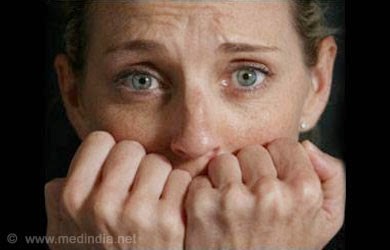
Another place with great information is The Canadian Women's Health Network. Some of these tips are focused on female survivors but many of them are universal principles we've already discussed on this blog such as finding ways to stay in the present instead of disassociating. I have used many of these tips. Not all of them work for me and honestly depending on why I'm visiting the doctor the only way for me to get through it is to disassociate during the exam and then comfort myself every way I know possible afterwards.
In a similar vein I also found an article written by a survivor of sexual abuse and having fears and triggers with visiting the dentist. The article can be found at Dental Fear Central.
This list is from The Canadian Women's Health Network.
What survivors can do to prepare themselves for medical examination:
Find a health care provider with whom you feel comfortable and trust. Many women survivors prefer female providers, especially for reproductive health care and where invasive procedures are involved like ultrasound that may require an instrument placed in the vagina and any breast procedures.
Knowing your rights and your needs will help you be more assertive and confident. For instance, you have a right to refuse or stop a procedure or examination. Often a women's healthcare center may be useful in helping you learn about your rights.

Learn some stress-reduction techniques and coping strategies like deep breathing. As one woman said, "I try to relax… I look around the room a lot. If something does catch my eye…it will keep my focus there. It will help me relax…make things go a lot easier."
Wearing something that has pleasant associations for you such as your favorite scent or outfit may be helpful. Carrying something comforting, like a Walkman with music you like, may be helpful.
Before you get undressed, talk with your doctor about what you need to make the examination easier for you. Make an agreement beforehand that if you are too uncomfortable at any time you will ask, or give a signal to stop and the doctor or nurse will stop.
Here are some suggestions that may help during pelvic (or other) examinations:
- Ask to have the top of the exam table up so you can see the doctor or nurse. This may give you more of a feeling of empowerment.
- Keep your eyes open. This will help keep you in the present.
- Ask the doctor to drape you so you can see her or him during the examination. Maintaining visual contact also helps keep you in the present.
- Ask the doctor to explain what she or he is doing and why both BEFORE and DURING each part of the exam.
- Use self-talk like "I can get through this. I trust this person".
- You have the right to have a support person with you during the exam, if that is helpful. You may have to arrange this ahead of time with your care provider.
After your appointment, plan something pleasant for yourself such as meeting with a friend, counselor, or support person. One woman stated, " I needed to take really good care of myself afterwards, do a lot of self-comforting. " Another said, " We have coffee after…[that] brings me back to reality and that helps."

If you are having surgery, visit the hospital or operating room before being admitted. Do not be afraid to tell the nurses looking after you that you find some of the procedures difficult. You do not have to disclose that you have a history of abuse.
Finally, keep in mind that these are only suggestions based on what has helped other women survivors get through medical examinations or procedures. What works for one person may not work for another. There is no right way of doing this. You are the best judge of what will be useful to you.
Remember, clearly discussing concerns you have about procedures with your health care provider should help ensure that you feel more comfortable and gain some sense of control over what happens to your body.

Subscribe to:
Posts (Atom)